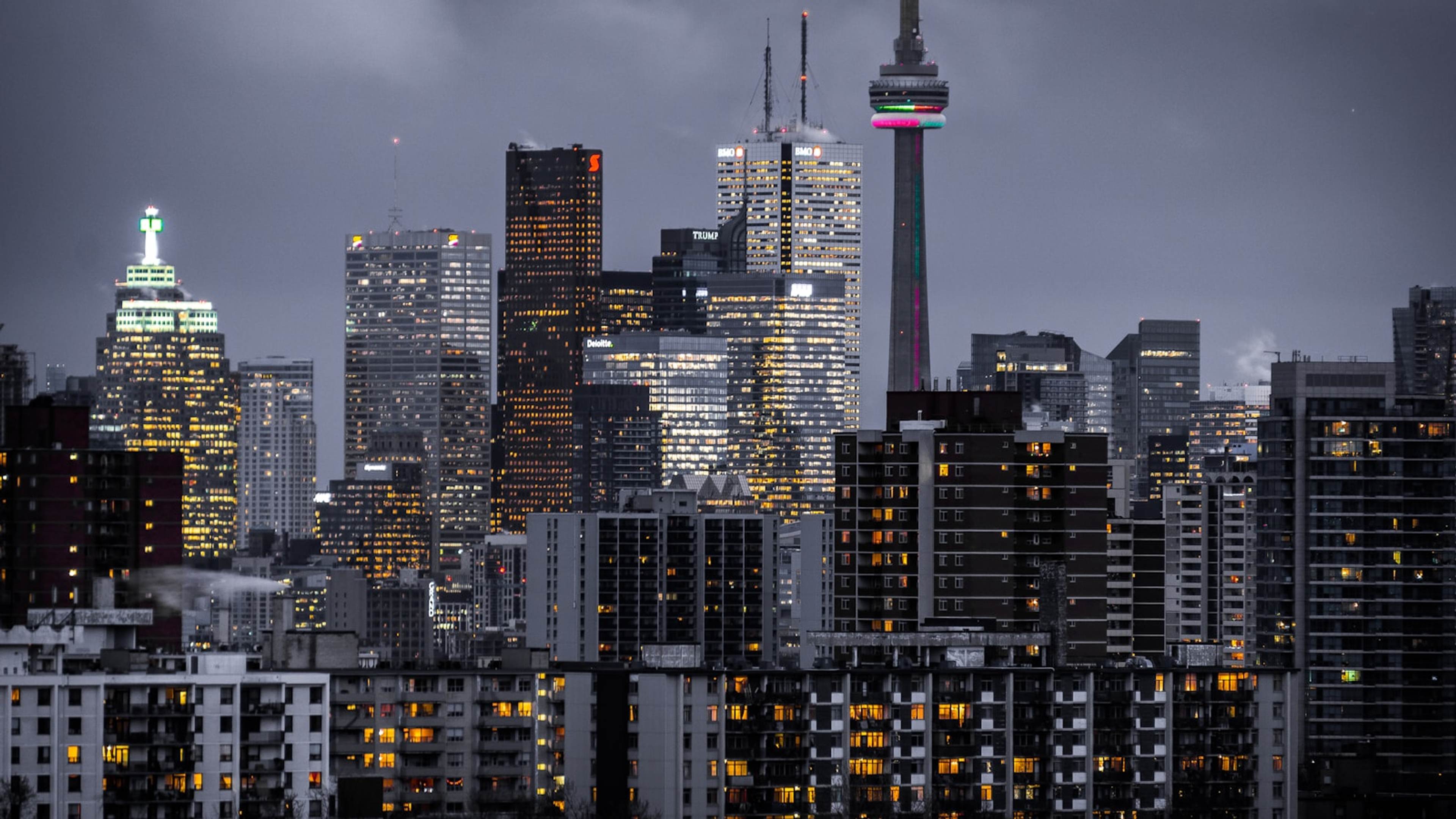
There is a moment, suspended thirty floors above a city's skyline, when the old distinctions between up and down seem to dissolve. Architects have long understood this threshold — the point at which the ground loses its tyranny and the building becomes its own terrain. But today, a new generation of mixed-use towers is pushing this idea further than ever before.
"We are no longer designing buildings. We are designing compressed cities."
From the forests of Bjarke Ingels Group's towers in New York to the interlocking volumes of Kengo Kuma's work in Tokyo, the vertical city is no longer a utopian fantasy. It is the urgent, immediate answer to the twin pressures of density and desire — more people, wanting more connection, more green space, more community, within a shrinking urban footprint.
The Ground Condition
What distinguishes the new vertical city from its predecessors is the radical rethinking of the ground plane. Where the towers of the 1960s rose from podiums designed to keep the street at bay — vast, inhospitable plazas that generated wind tunnels and social voids — today's buildings are designed to dissolve. The boundary between inside and outside becomes porous, permeable, a question rather than a fact.
In São Paulo, Studio Gang's riverside development weaves public parkland through its lower floors. In Singapore, the WOHA-designed Sky Habitat offers residents a continuous green landscape that extends from the ground to the fortieth floor. In each case, the building is conceived not as an object in space but as a piece of modified terrain.
A Question of Program
The most radical innovation is programmatic. The new vertical city refuses the tyranny of single use. Residences sit above markets, beside co-working spaces, below kindergartens and roof farms. The elevator becomes the street; the sky lobby becomes the piazza.