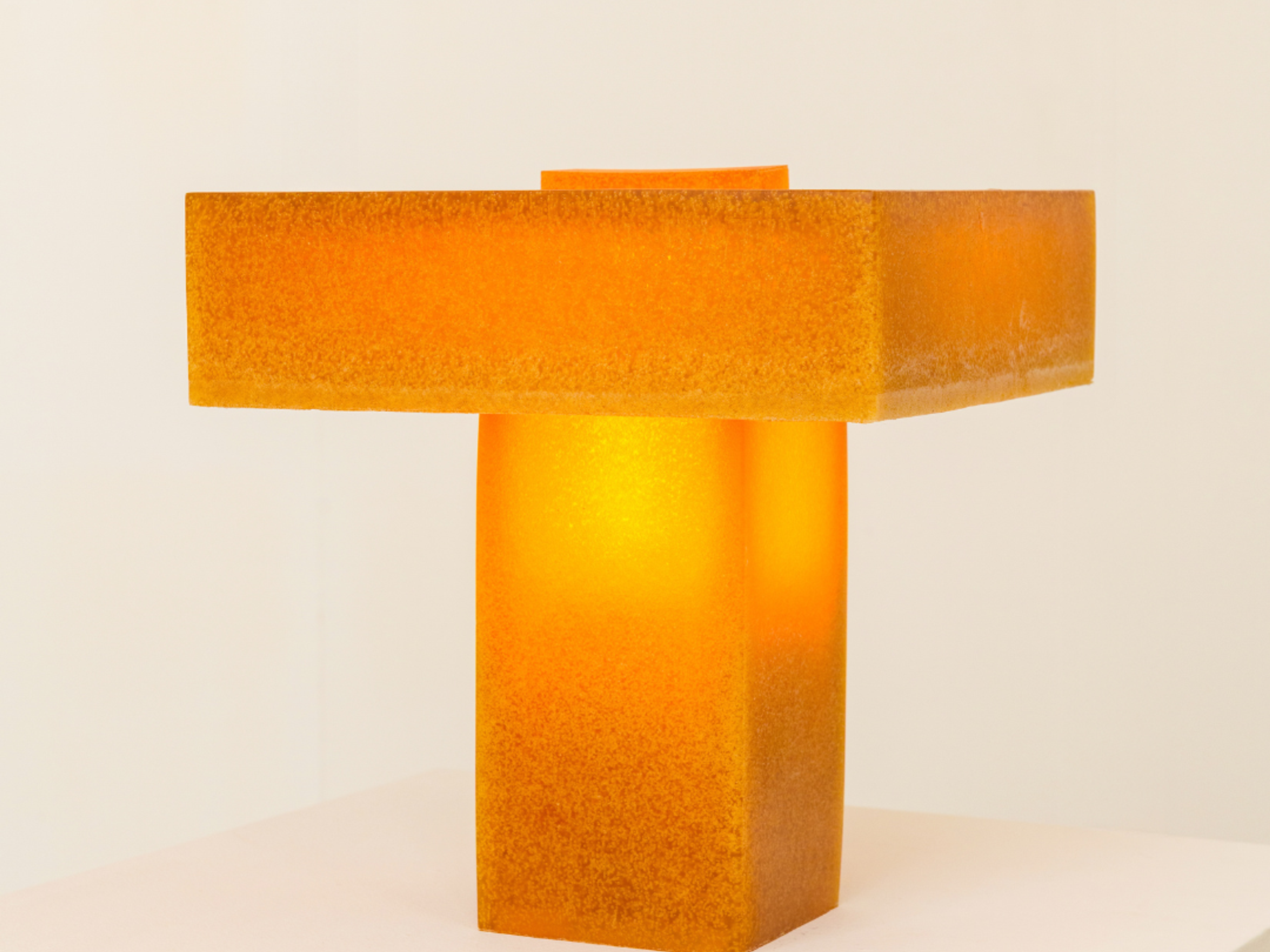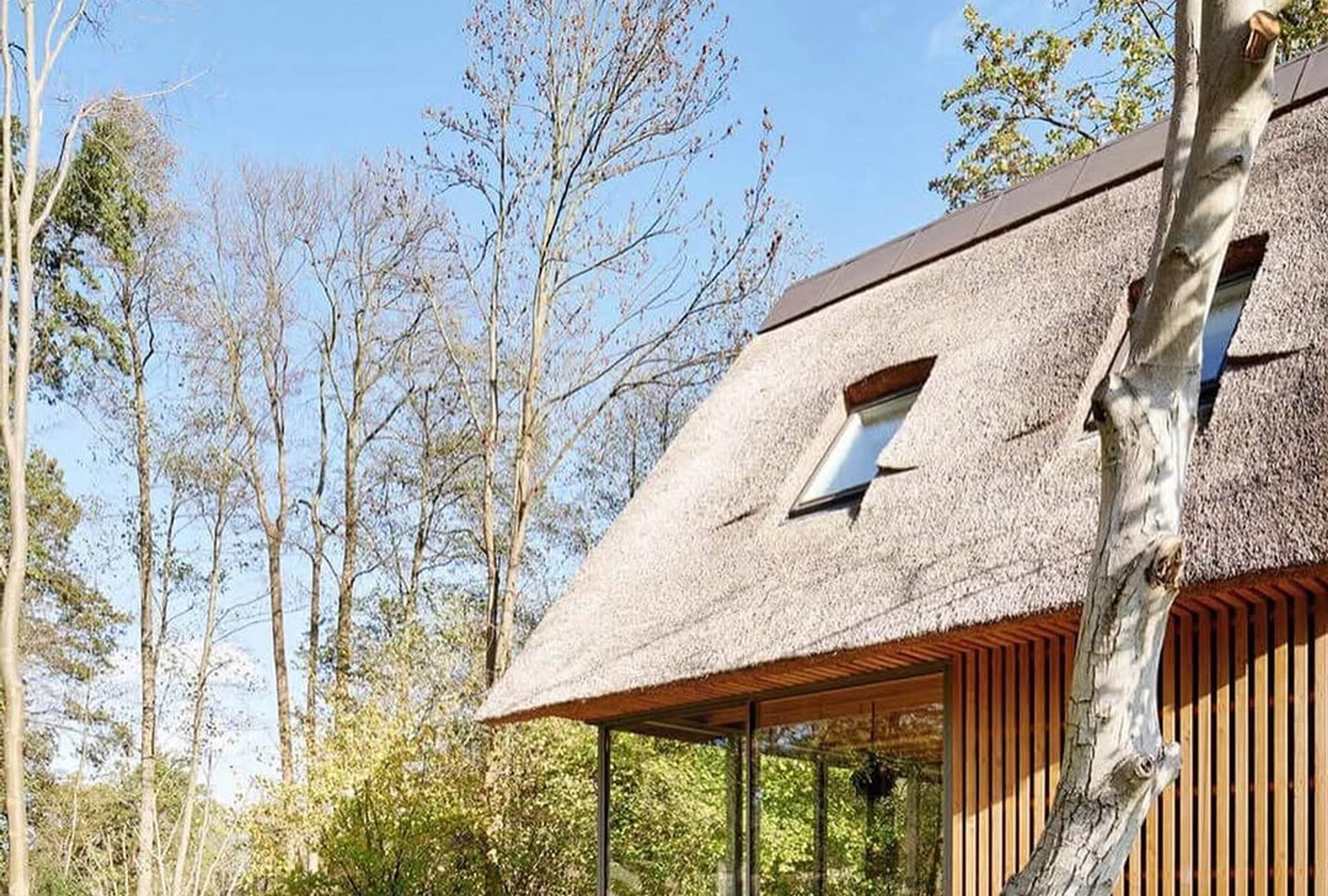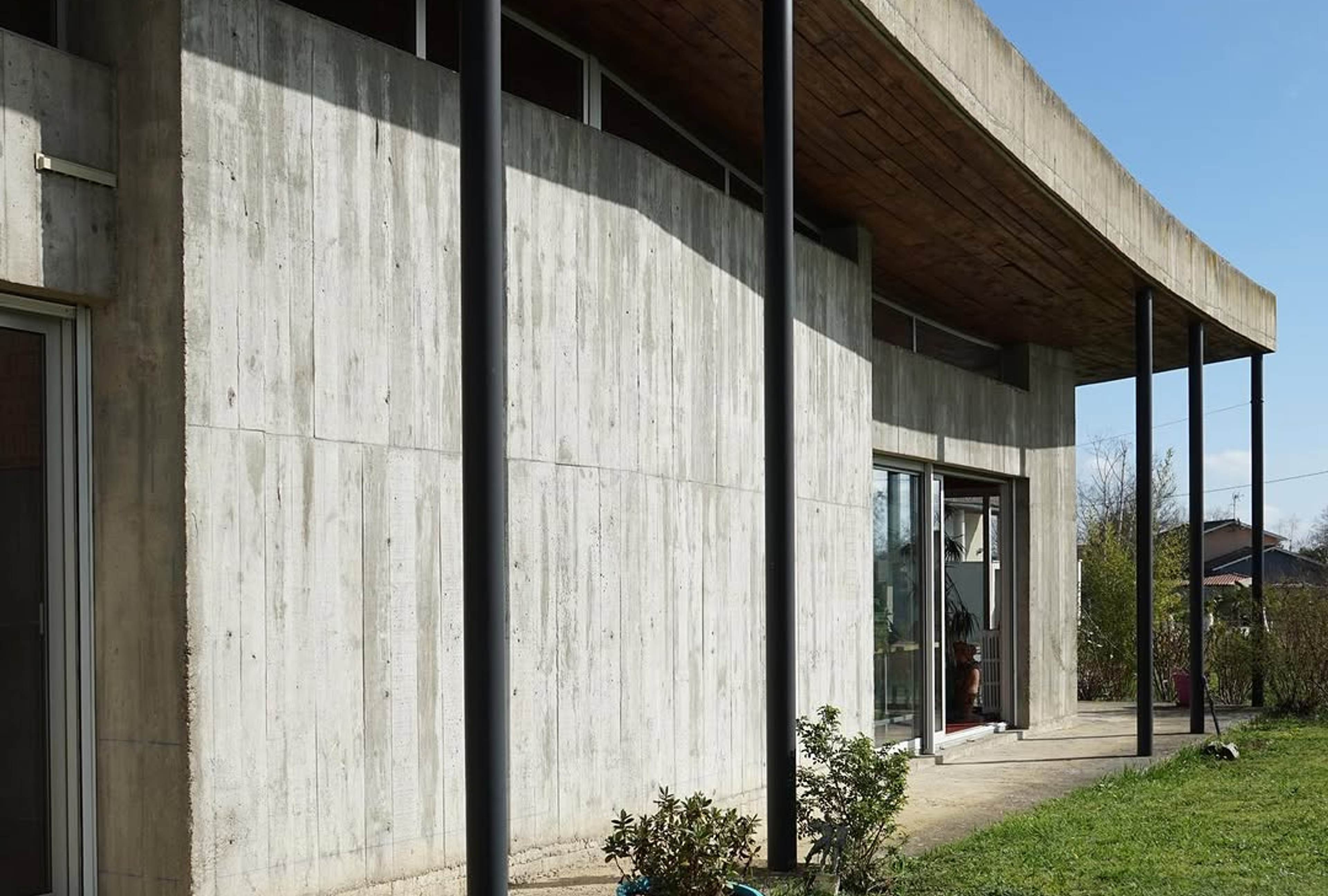
To understand wabi-sabi is to understand something that resists understanding. Unlike most design movements, it has no manifesto, no founding figure, no definitive object that encapsulates its spirit. It is, instead, a way of seeing — a practice of attention that finds beauty precisely where conventional aesthetics would find lack.
"True beauty is found not in perfection, but in the moment of its becoming and the inevitability of its end."